
The Complete Guide to Opening a Successful Retail Store
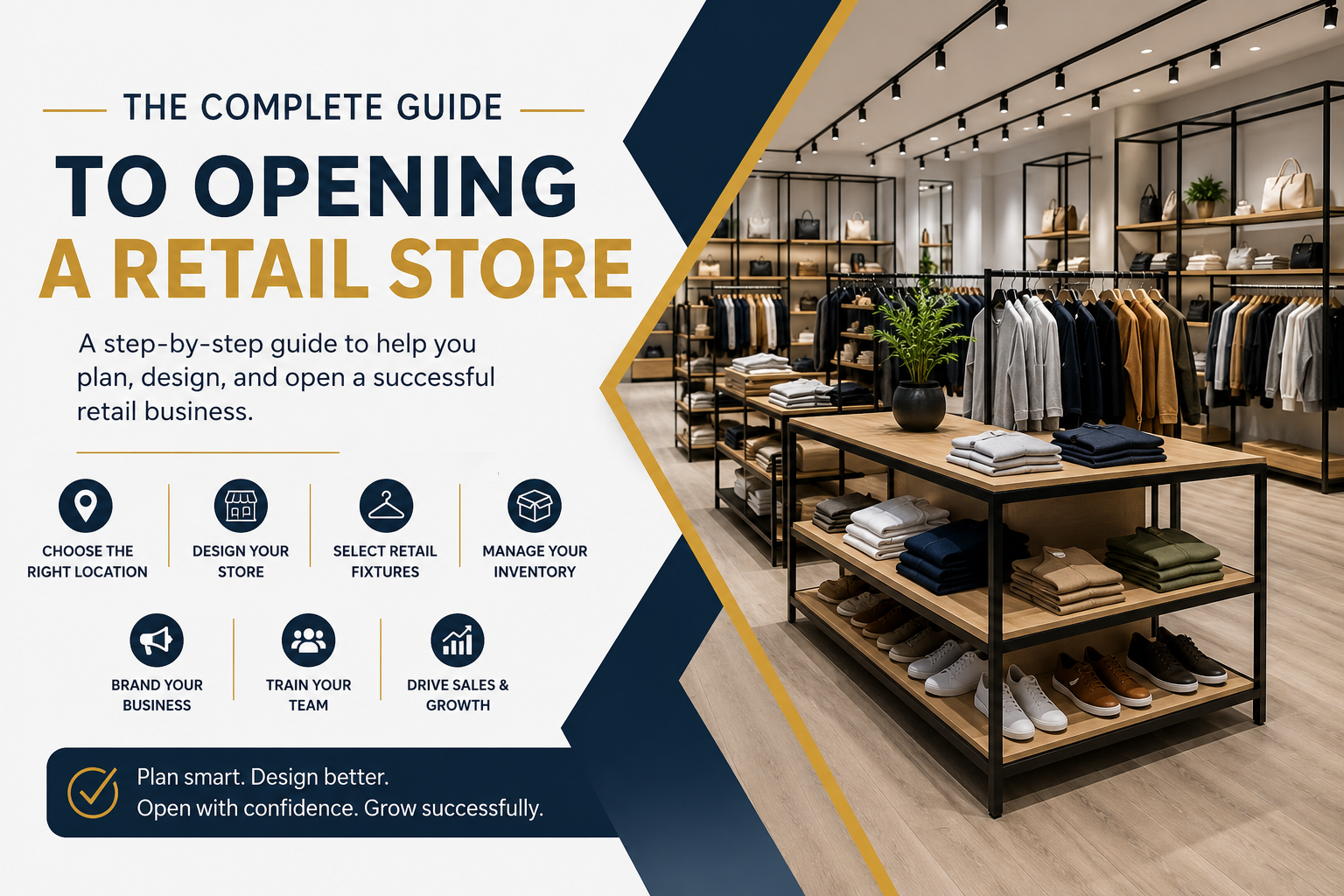
The Complete Guide to Opening a Successful Retail Store
Everything You Need to Know Before Launching Your Business
Opening a retail store is an exciting milestone, but success requires much more than finding the right location or stocking quality products. Every successful store is built on careful planning, strategic decision-making, and a well-designed retail environment that attracts customers and encourages sales.
Whether you're opening a fashion boutique, shoe store, pharmacy, supermarket, cosmetics shop, gift store, electronics retailer, or any other commercial business, this guide will walk you through the essential steps to help you launch a successful retail store.
1. Start with a Clear Business Plan
Every successful retail business begins with a solid business plan.
Before investing in your store, define:
- Your target customers.
- The products you will sell.
- Your competitive advantage.
- Your pricing strategy.
- Your estimated startup costs.
- Your expected revenue.
- Your short-term and long-term business goals.
A well-prepared business plan helps reduce risks and provides a roadmap for future growth.
2. Research Your Market
Understanding your market is one of the most important steps before opening your store.
Study your competitors and ask yourself:
- What products are customers looking for?
- What are competitors doing well?
- Where are the gaps in the market?
- How can your business provide a better shopping experience?
The more you understand your customers, the better your business decisions will be.
3. Choose the Right Location
Location can significantly influence your store's success.
Consider factors such as:
- Customer accessibility.
- Parking availability.
- Nearby businesses.
- Population density.
- Visibility from the street.
- Foot traffic.
- Future development opportunities.
A great location should make it easy for customers to find and visit your store.
4. Design Your Store Before Purchasing Equipment
One of the biggest mistakes new business owners make is buying display fixtures before planning the store layout.
Instead, begin by designing:
- Customer traffic flow.
- Product categories.
- Display zones.
- Checkout area.
- Storage space.
- Promotional areas.
Proper planning ensures every square meter is used efficiently.
5. Invest in Professional Shopfitting
Your shopfitting system directly affects how customers interact with your products.
Choose display solutions that offer:
- Flexibility.
- Durability.
- Modern appearance.
- Easy product organization.
- Future expandability.
Quality shopfitting is a long-term investment that improves both customer experience and operational efficiency.
6. Select the Right Retail Display Systems
Every type of retail business requires different display solutions.
Depending on your industry, consider using:
- Display columns and rail systems.
- Display stands.
- Center display tables.
- Wall-mounted fixtures.
- Metal shelving.
- Storage shelving.
- Mannequins.
- Premium clothing hangers.
- Retail accessories.
The right display system helps organize merchandise while making products more attractive to customers.
7. Create an Attractive Store Environment
Customers are more likely to spend time in stores that feel comfortable and well organized.
Pay attention to:
- Lighting.
- Interior colors.
- Store layout.
- Music.
- Cleanliness.
- Signage.
- Product spacing.
A pleasant shopping environment increases customer satisfaction and encourages repeat visits.
8. Build a Strong Brand Identity
Your store should communicate a consistent brand image.
This includes:
- Company logo.
- Brand colors.
- Store signage.
- Product packaging.
- Shopping bags.
- Employee uniforms.
- Interior design.
Strong branding helps customers remember your business and builds trust over time.
9. Organize Your Inventory
Inventory management is just as important as product selection.
Implement an organized system that allows you to:
- Track stock levels.
- Monitor fast-moving products.
- Reduce inventory shortages.
- Improve warehouse organization.
- Simplify product replenishment.
Efficient inventory management saves both time and money.
10. Prepare for Your Grand Opening
Before officially opening your store, conduct a complete review of every operational detail.
Make sure to:
- Test your checkout system.
- Verify inventory accuracy.
- Train your staff.
- Inspect display fixtures.
- Check lighting and signage.
- Ensure pricing is accurate.
- Prepare promotional offers.
A successful opening creates a strong first impression that can generate loyal customers from day one.
11. Continue Improving After Opening
Opening your store is only the beginning.
Successful retailers continuously evaluate their business by monitoring:
- Customer feedback.
- Sales performance.
- Product demand.
- Store layout.
- Display effectiveness.
- Inventory turnover.
- Market trends.
Regular improvements help your business remain competitive and meet changing customer expectations.
Common Mistakes to Avoid
Many new retailers encounter avoidable challenges during their first year.
Some of the most common mistakes include:
- Choosing the wrong location.
- Purchasing low-quality display fixtures.
- Ignoring customer flow.
- Overstocking slow-moving products.
- Poor inventory management.
- Weak branding.
- Inadequate lighting.
- Failing to plan for future growth.
Avoiding these mistakes can save significant time and investment.
Future-Proof Your Retail Business
Retail continues to evolve rapidly.
Modern stores increasingly rely on flexible shopfitting systems, smart merchandising, and adaptable layouts that can evolve with changing product lines and customer expectations.
Investing in durable, modular retail fixtures today can reduce renovation costs and support business growth for many years.
Conclusion
Opening a successful retail store requires thoughtful planning, strategic investment, and careful attention to every detail—from selecting the right location and designing an efficient layout to choosing high-quality shopfitting solutions and creating an exceptional customer experience.
A well-planned retail environment not only improves operational efficiency but also strengthens your brand, increases customer satisfaction, and supports long-term business growth.
Whether you are launching your first retail venture or expanding an established business, investing in professional planning and quality retail fixtures lays the foundation for lasting success.
Every successful store begins with a vision—but it is careful preparation, smart design, and continuous improvement that transform that vision into a thriving business.
How to Choose the Right Retail Display System for Your Store
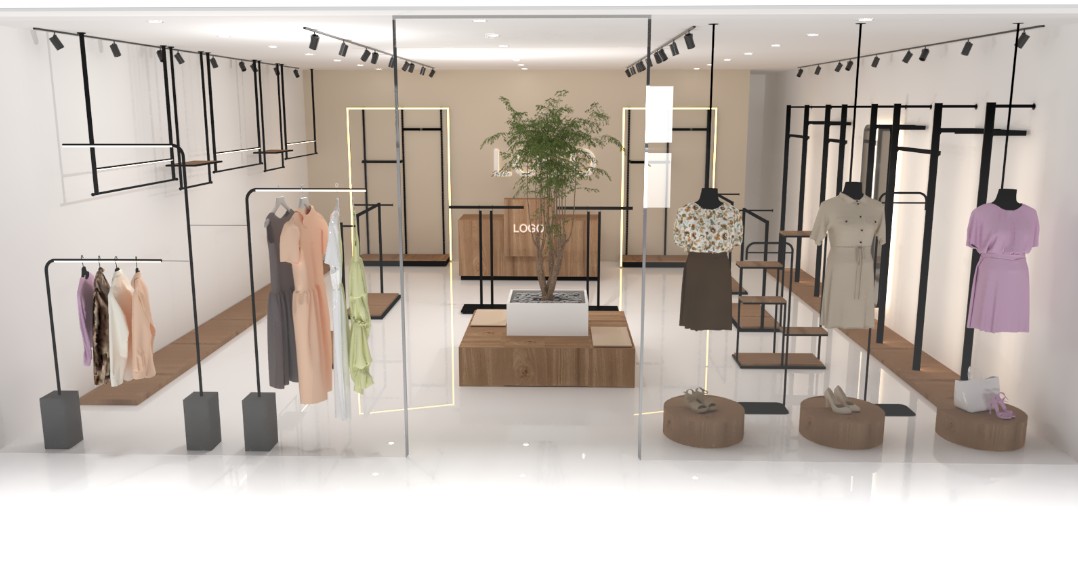
How to Choose the Right Retail Display System for Your Store
A Complete Guide to Shopfitting and Retail Display Solutions
When planning a new retail store or renovating an existing one, many business owners focus on product selection, interior decoration, lighting, and branding. While these are all important, one critical element is often overlooked—the retail display system.
A well-designed display system is much more than a place to showcase products. It directly influences customer experience, store organization, product visibility, shopping flow, and ultimately, sales performance. Whether you own a fashion boutique, clothing store, shoe shop, pharmacy, supermarket, gift shop, cosmetics store, or any other retail business, choosing the right display system is one of the smartest long-term investments you can make.
What Is a Retail Display System?
A retail display system is the combination of fixtures, shelving, stands, and accessories used to organize and present products inside a commercial space.
Depending on your business, a complete display system may include:
- Display columns and rail systems
- Display stands
- Metal and wooden shelving
- Center display tables
- Mannequins
- Clothing hangers
- Display accessories
- Storage shelving
- Checkout counters
- Retail fixtures and merchandising units
Together, these components create an organized shopping environment that makes products easy to find while enhancing the overall appearance of the store.
Why Is the Right Display System So Important?
Successful retailers understand that an organized store does more than look attractive—it creates a better shopping experience.
A professional retail display system helps:
- Improve product visibility.
- Encourage customers to spend more time inside the store.
- Increase impulse purchases.
- Maximize the use of available floor space.
- Keep merchandise organized.
- Simplify inventory management.
- Make seasonal updates and promotions easier.
- Strengthen the overall brand image.
Modern retail design is based on the principle that customers should naturally discover products without feeling overwhelmed. A well-planned display system makes this possible.
Choosing the Right Display System for Different Types of Stores
Different businesses require different merchandising solutions.
Clothing Stores & Fashion Boutiques
Fashion retailers need flexible display systems that can easily adapt to new collections and seasonal merchandising.
Recommended solutions include:
- Modular rail and column systems
- Garment display stands
- Center display tables
- Mannequins
- Premium clothing hangers
- Wall-mounted display accessories
Flexibility is especially important because fashion stores frequently rearrange displays to keep the shopping experience fresh.
Shoe Stores
Footwear retailers benefit from display systems that clearly present products while allowing customers to compare styles and sizes.
Popular solutions include:
- Multi-level shelving
- Feature display tables
- Wall shelving systems
- Promotional display stands
Lighting also plays a significant role in highlighting footwear collections.
Pharmacies
Pharmacies prioritize organization and accessibility.
Their display systems should focus on:
- Strong metal shelving
- Clearly categorized sections
- Easy product access
- Efficient use of vertical space
- Simple customer navigation
A well-organized pharmacy improves both customer satisfaction and staff productivity.
Supermarkets
Supermarkets rely heavily on efficient merchandising layouts.
Essential display solutions include:
- Gondola shelving
- End-cap displays
- Promotional islands
- Heavy-duty shelving systems
- Checkout merchandising units
Proper planning allows supermarkets to maximize shelf capacity while maintaining comfortable customer movement.
Flexibility Matters More Than Appearance
One of the most common mistakes retailers make is choosing display fixtures based only on appearance.
While attractive displays certainly matter, flexibility is even more important.
Modern modular systems allow retailers to:
- Adjust shelf heights.
- Add new accessories.
- Expand display capacity.
- Rearrange product layouts.
- Adapt to seasonal merchandising.
A flexible system grows with your business, reducing future renovation costs.
Quality Is an Investment, Not an Expense
Low-cost display fixtures may appear attractive initially, but they often require replacement after only a few years.
Investing in high-quality retail fixtures offers significant long-term advantages:
- Greater durability.
- Higher load capacity.
- Professional appearance.
- Lower maintenance costs.
- Longer service life.
- Better return on investment.
For busy retail environments, durable fixtures provide greater reliability and lower operating costs over time.
Choosing the Right Colors
The color of your display fixtures should complement—not compete with—your products.
For example:
- Black creates a premium and luxurious atmosphere.
- White offers a clean and modern appearance.
- Wood finishes add warmth and a natural feel.
- Custom colors reinforce brand identity.
Selecting the right finish helps create a consistent visual experience throughout the store.
Let Your Products Be the Star
A common design mistake is installing overly decorative display systems that distract customers from the merchandise itself.
Great retail design is simple, balanced, and functional.
The display system should guide attention toward the products—not compete with them.
Clean layouts, appropriate spacing, and uncluttered displays often produce stronger sales than overly complex visual merchandising.
Plan Before You Purchase
Before investing in retail fixtures, take time to evaluate:
- Store size and layout.
- Product categories.
- Customer traffic flow.
- Checkout locations.
- Seasonal display areas.
- Future business growth.
- Storage requirements.
- Brand identity.
Careful planning helps avoid unnecessary costs while creating a more efficient retail environment.
The Future of Retail Display Systems
Retail design continues to evolve as customer expectations change.
Today's most successful stores increasingly rely on modular display systems because they offer:
- Greater flexibility.
- Easy installation.
- Simple reconfiguration.
- Contemporary aesthetics.
- Efficient space utilization.
- Integration with branding elements.
- Long-term adaptability.
Retailers who invest in adaptable display solutions are better prepared for future expansion and changing merchandising needs.
Conclusion
Choosing the right retail display system is one of the most important decisions in any retail project. It is not simply about selecting shelves or display stands—it is about creating an environment where products are presented effectively, customers enjoy shopping, and the business can grow efficiently.
A thoughtfully designed shopfitting solution combines functionality, durability, flexibility, and visual appeal to support both day-to-day operations and long-term success.
Whether you are opening your first retail store or upgrading an established business, investing in high-quality display systems is an investment in your brand, your customer experience, and the future of your business.